Swiss Chard: A Colorful, Nutrient-Rich Green from Our Organic Farm
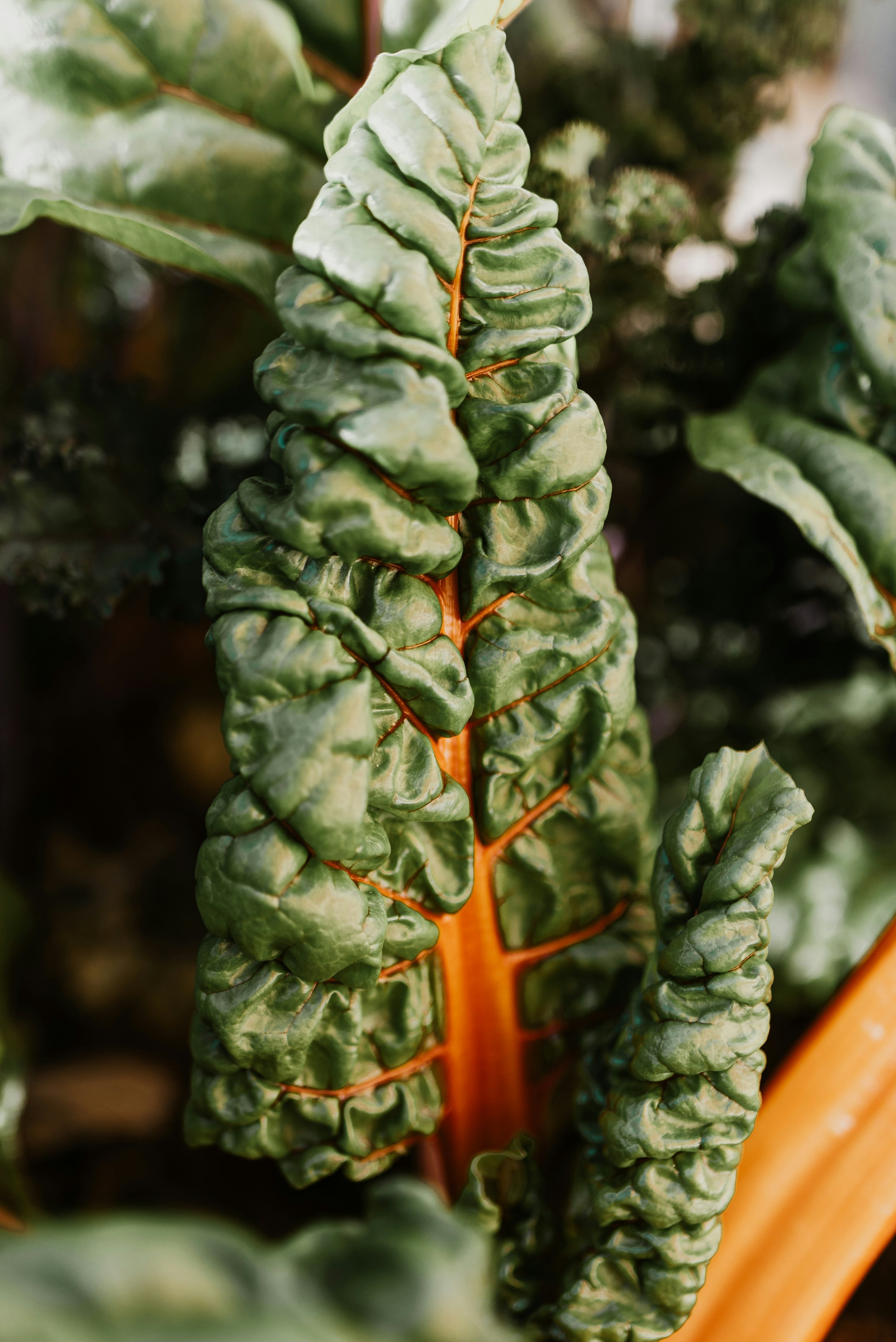
Swiss chard, not to be confused with rhubarb, is a tender leafy green that brings color, freshness, and nourishment to seasonal meals. With its softly crinkled leaves and jewel-toned stems, Swiss chard has a mild, slightly earthy flavor that cooks down quickly and easily.
Health Benefits of Swiss Chard
Swiss chard is rich in vitamins A, C, and K, supporting immune health, bone strength, and cellular repair. It’s also a strong source of magnesium and potassium, minerals that support the nervous system, muscle function, and hydration.
Compared to denser greens, Swiss chard is:
Naturally soft and easy to digest
High in minerals that support balance and regulation
Gentle enough for simple, everyday meals
Swiss chard also contains antioxidant compounds that support the body’s natural detox processes without being stimulating or harsh.
From a holistic lens, Swiss chard offers nourishment that feels calming rather than demanding. It feeds without asking the body to work too hard.
When Is Swiss Chard in Season?
Swiss chard thrives in cool to moderate temperatures and is typically in season from late spring through early fall. It tolerates light frost but grows most tenderly during cooler parts of the growing season.
Because it grows steadily and doesn’t require rushing, Swiss chard fits beautifully into a slower, more seasonal approach to food.
Easy Ways to Prepare Swiss Chard
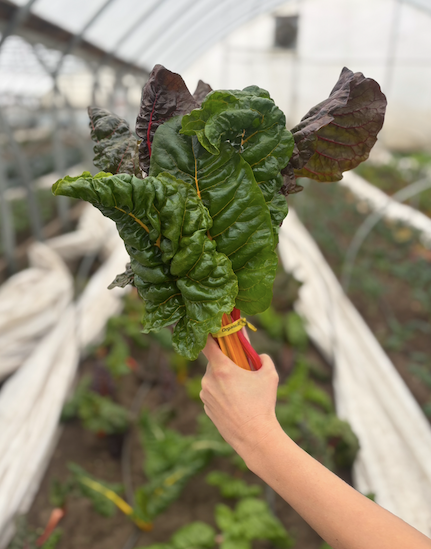
Swiss chard cooks quickly and becomes soft and silky, making it ideal for simple preparations. Make sure it’s rinsed well to remove any dirt.
1. Lightly Sautéed
Slice the leaves and stems and sauté briefly with olive oil, garlic, and a pinch of salt until just wilted.
2. Gently Added to Soups or Broths
Add Swiss chard at the very end of cooking. It will soften almost immediately, adding color and minerals without texture or bulk.
3. Wilted into Warm Dishes
Fold into pasta, grains, or eggs right before serving, allowing the heat to gently collapse the leaves.
4. Raw When Young
Baby Swiss chard can be eaten raw in salads, offering a mild flavor and tender bite.
A Brief History of Swiss Chard
Swiss chard has been cultivated since ancient times in the Mediterranean region, where it was valued for its mineral content and ability to grow reliably in a range of conditions.
Rather than being prized for bulk or storage, Swiss chard has long been appreciated as a fresh, nourishing green meant to be eaten soon after harvest. Its role was to bring vitality and minerals to everyday meals.
How to Store Swiss Chard
Swiss chard is best used fresh, but it stores well for short periods when handled gently. Ours will sometimes last up to 2 weeks in the fridge because it’s so fresh when we bring it inside or sell it to our customers.
Keep unwashed until ready to use
Store loosely in the refrigerator crisper
Wrap in a damp cloth or paper towel to prevent drying
For best texture and flavor, use Swiss chard within 4–7 days of harvest.
Why We Grow Swiss Chard on Our Farm
Swiss chard reflects what we value most: food that nourishes and fits naturally into everyday life.
It doesn’t need long cooking times or elaborate recipes. It simply softens, offering minerals, hydration, and quiet support to the body.
On our farm, Swiss chard is a reminder that nourishment doesn’t have to be heavy or complicated. Sometimes the most supportive foods are the ones that melt in effortlessly, meeting us right where we are.