Napa Cabbage: A Gentle, Nourishing Green for Seasonal Eating
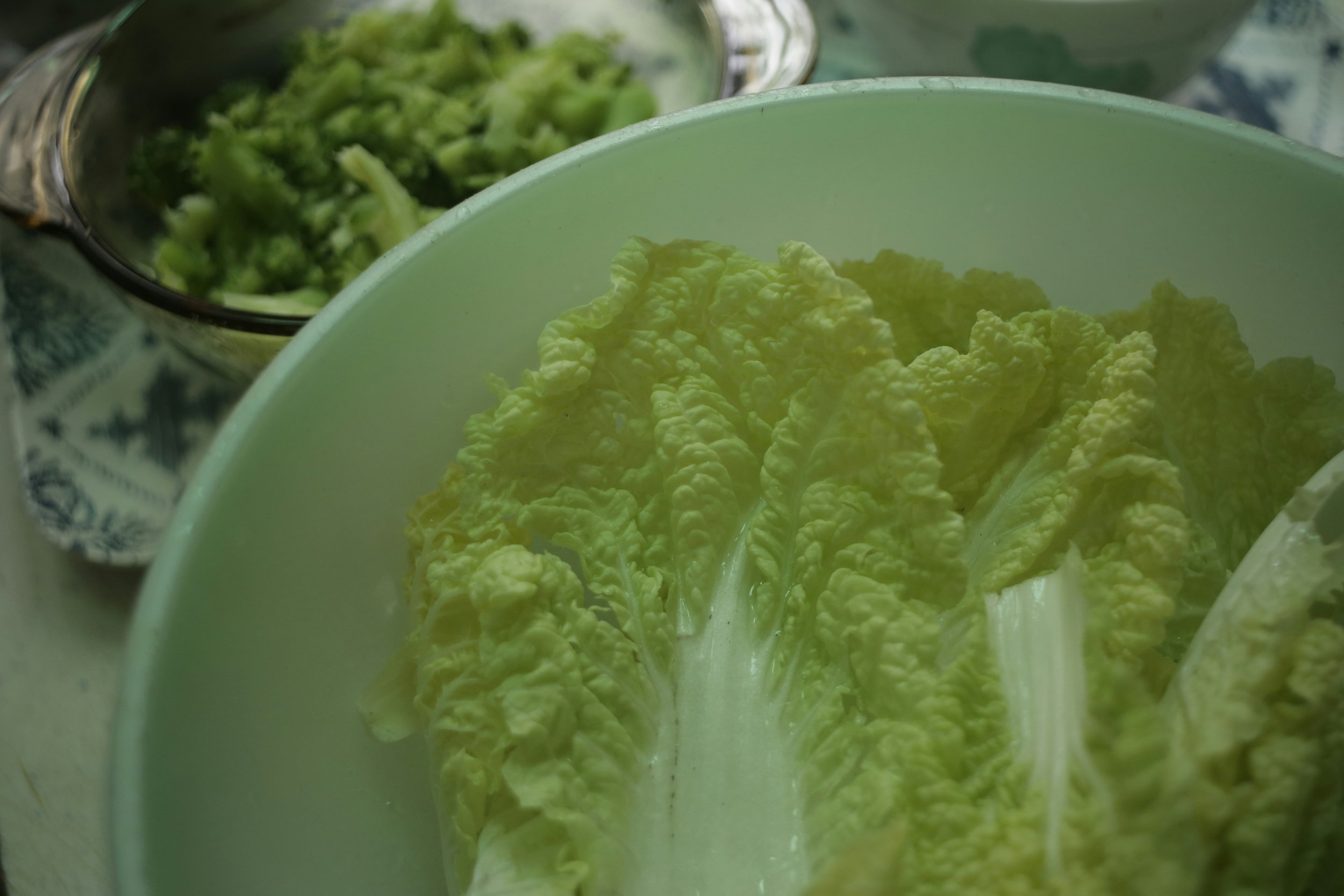
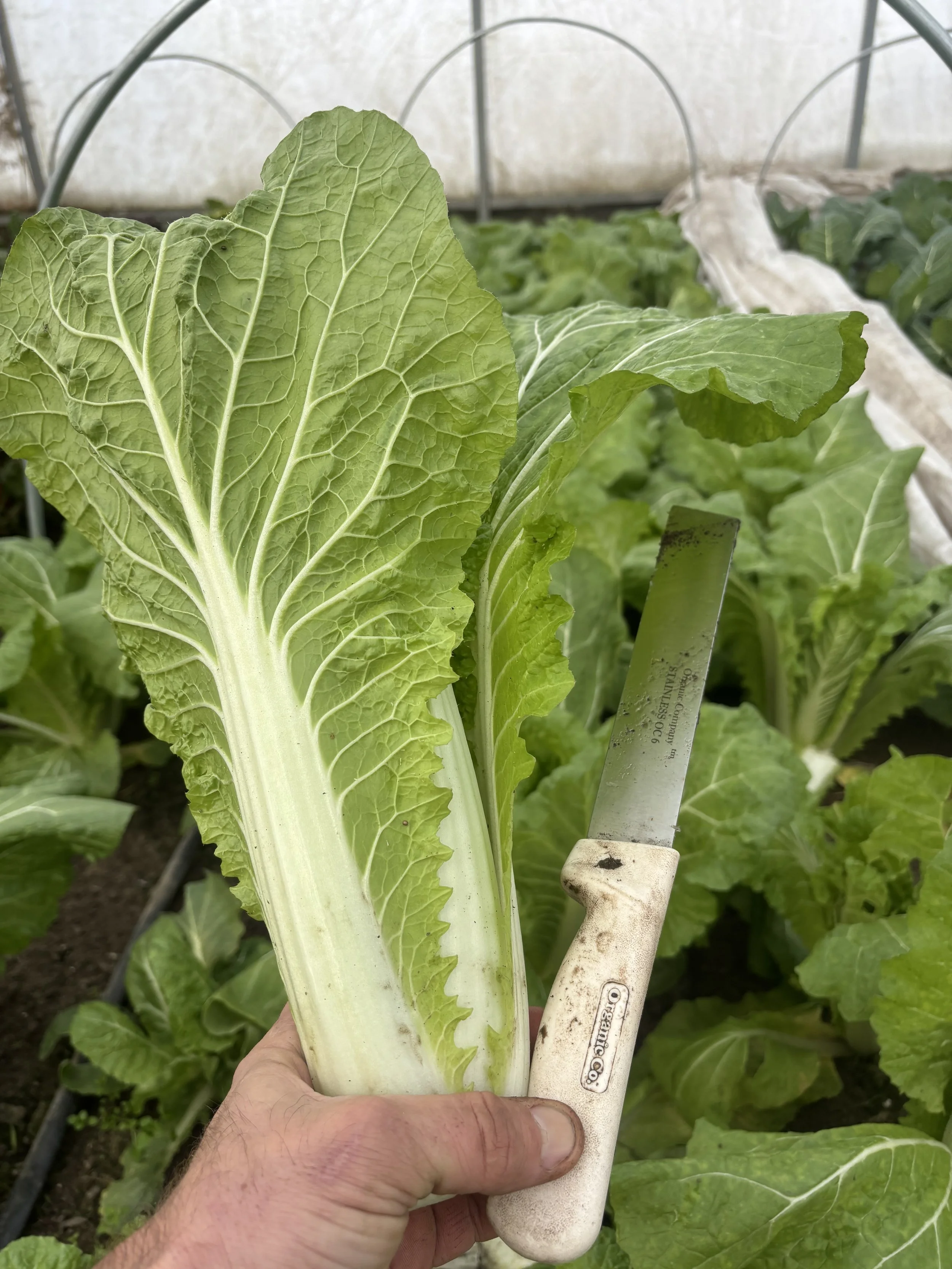
Napa cabbage is a soft, tender vegetable that bridges the gap between hearty winter greens and lighter spring fare. With its pale green leaves and mild flavor, it offers nourishment without heaviness, making it a favorite for seasonal eating and simple meals.
On our small organic farm, napa cabbage is one of those vegetables that feels both comforting and fresh. It stores well, cooks quickly, and supports digestion and immunity during cooler months when the body benefits from gentle, warming foods.
Health Benefits of Napa Cabbage
Napa cabbage is rich in vitamins C and K, supporting immune health, tissue repair, and bone strength. Its high water content and fiber make it easy to digest and supportive for gut health.
Compared to denser cabbages, napa is:
Softer on the digestive system
Naturally hydrating
Less bitter and more versatile
It also contains natural compounds found in cruciferous vegetables that support the body’s detox pathways, without being harsh or overly stimulating.
From a holistic lens, napa cabbage offers a sense of ease. It nourishes without demanding much, which feels especially supportive during seasons of transition.
When Is Napa Cabbage in Season?
Napa cabbage thrives in cool weather and is typically in season from late fall through early spring.
Cool temperatures help it develop sweetness and tenderness, while warmer weather can cause it to bolt. Because it grows best slowly, napa cabbage aligns naturally with seasonal rhythms rather than fast production.
It’s an ideal winter vegetable, offering freshness when many greens are limited.
Easy Ways to Prepare Napa Cabbage
Napa cabbage is wonderfully forgiving and doesn’t need elaborate recipes.
1. Lightly Sautéed
Slice and sauté with olive oil, garlic, and a pinch of salt until just wilted.
2. In Soups and Broths
Add napa cabbage near the end of cooking for a soft, silky texture. Here is an amazing Korean Dough Soup recipe that I came up with, and LOVE!
3. Raw in Salads
Thinly sliced napa works well in slaws and salads, especially with citrus or sesame-based dressings.
4. Fermented
Napa cabbage is traditionally used for fermentation, including kimchi, making it supportive for gut health and long-term storage.
A Brief History of Napa Cabbage
Napa cabbage originated in China over a thousand years ago, where it was cultivated for its tenderness, storage ability, and versatility.
It became a staple in many East Asian food traditions, valued for both nourishment and medicinal properties. Historically, napa cabbage helped communities maintain nutrition through colder months, especially when fresh foods were scarce.
Today, it remains a symbol of simple, sustaining food grown with patience.
How to Store Napa Cabbage
Napa cabbage stores beautifully when treated gently, making it a reliable vegetable for slower, more intentional cooking.
To store napa cabbage:
Keep it unwashed until you’re ready to use it
Place it loosely in the crisper drawer of your refrigerator
If cut, wrap the remaining portion in a cloth or paper towel and store in a breathable bag or container
When stored this way, napa cabbage can last up to two weeks, sometimes longer, without losing its tenderness.
This ability to store well is one of the reasons napa cabbage has been valued for generations. It allows meals to be prepared slowly and thoughtfully, rather than rushed.
Why We Grow Napa Cabbage on Our Farm
Napa cabbage reflects what we value most: food that grows steadily, nourishes gently, and fits naturally into seasonal living.
It’s not flashy, but it’s deeply useful. Whether eaten fresh, cooked slowly, or fermented, napa cabbage offers nourishment that supports the body and honors the rhythm of the land.
Napa cabbage is a vegetable that meets us in the in-between. It grows when the weather cools, stores well when fresh food feels scarce, and nourishes without asking for urgency.
On our farm, growing vegetables like napa cabbage is part of choosing a slower, more intentional rhythm, one that honors both the land and the lives it feeds.